Maintaining a secure overhead protection system represents a foundational aspect of preserving overall home value, structural integrity, and indoor living comfort. Property owners often face significant uncertainty when attempting to select qualified contractors for routine maintenance or complete system overhauls. Understanding what standard procedures, communication habits, and technical capabilities define true industry specialists helps homeowners navigate complex home improvement projects with absolute confidence and ease. Hiring professional roofers ensures that residential structures receive thorough diagnostic evaluations, premium weatherproofing materials, and precise execution tailored to specific architectural demands. By establishing clear expectations regarding project timelines, safety protocols, detailed estimates, and site cleanup habits, building owners can safeguard their financial investments while securing long-term weather resistance. Knowing what comprehensive services and professional standards reputable specialists deliver empowers property managers to make informed decisions that protect living spaces for generations.
Receiving Detailed Initial System Inspections
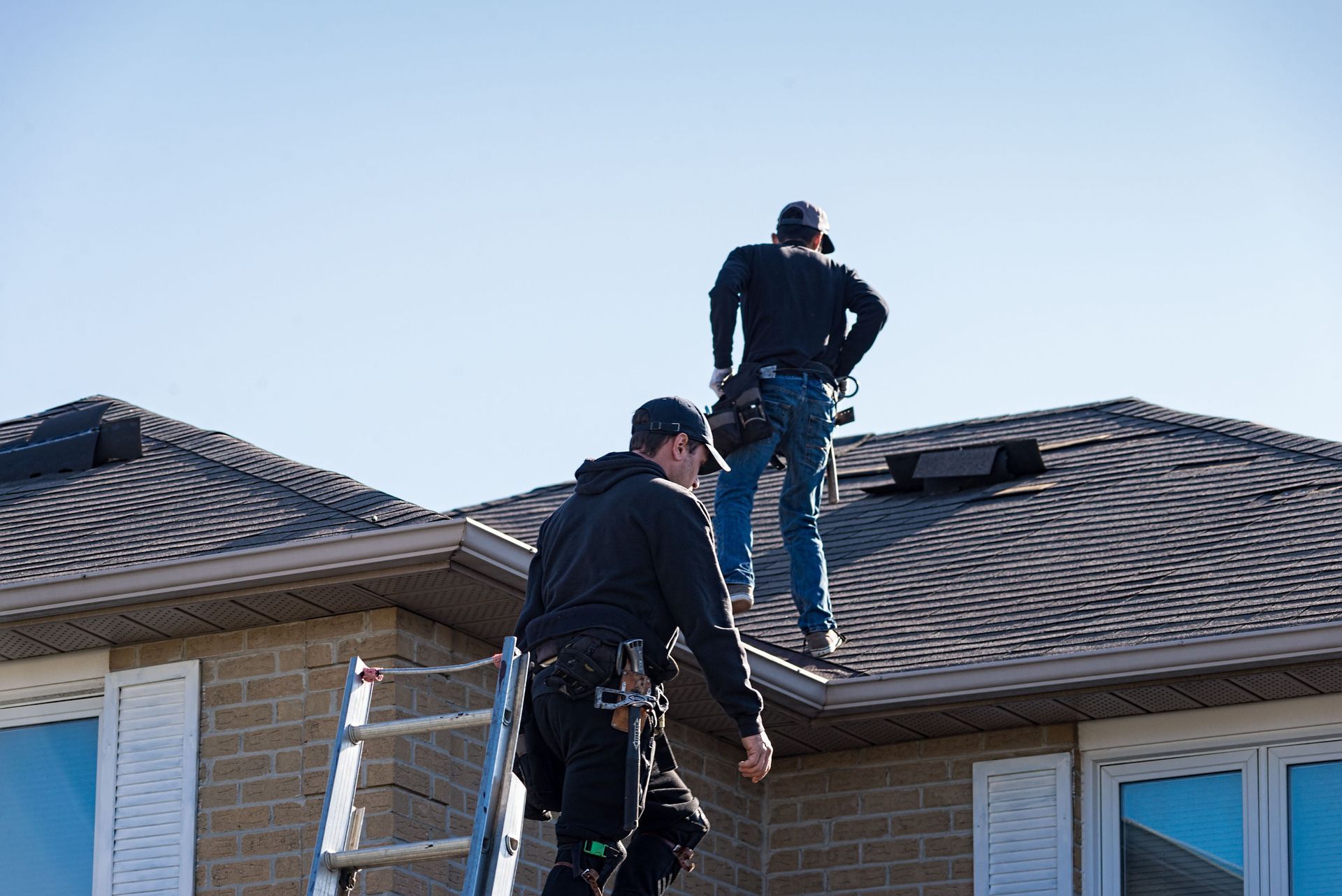
Initial structural assessments form the cornerstone of any successful residential overhaul, routine maintenance program, or emergency restoration effort. Qualified specialists begin every project by conducting comprehensive physical examinations of the entire upper structure, including asphalt shingles, flashing assemblies, decking, gutters, and ventilation pathways. Experienced roofers examine subtle indicators of underlying moisture intrusion, structural sagging, thermal loss, and material fatigue that untrained observers frequently overlook. This exhaustive evaluation process prevents hidden structural damages from compromising new material applications while providing property owners with a complete, realistic overview of current surface conditions.
During an initial evaluation, property owners should anticipate a transparent explanation of all identified vulnerabilities alongside clear recommendations for corrective action. According to Roofer's Guild, a typical roof lasts between 25 and 50 years. Knowing where an existing installation falls within this operational timeline enables homeowners to decide whether minor localized repairs or full structural replacement offers the most economical path forward over time. Thorough diagnostic reports set an exceptional professional tone for the entire working relationship while establishing a firm baseline for subsequent project planning and budgeting.
Reviewing Comprehensive Written Project Estimates
Transparent financial documentation remains an essential hallmark of reputable contracting teams throughout the modern residential home improvement industry. Homeowners should anticipate receiving itemized written proposals that clearly outline labor expenses, material costs, disposal fees, permitting requirements, and projected project durations. Dependable roofers provide clear explanations regarding individual line items, ensuring that clients understand exactly where their financial resources are allocated from start to finish. Detailed written proposals eliminate confusing cost ambiguities, preventing unexpected financial surprises or hidden fees when final invoices are presented upon project completion.
Comprehensive written proposals also specify the exact material grades, brand names, color choices, and warranty terms associated with selected building components. Clear documentation outlines both manufacturer material warranties and contractor workmanship guarantees, establishing essential legal protections for the property owner. Reviewing these formal documents allows clients to compare competing project scopes effectively and verify that all agreed deliverables are formally recorded before active work commences. Clear financial paperwork reflects institutional professionalism while building mutual trust between building owners and primary service providers.
Establishing Clear Onsite Communication Standards
Consistent dialogue throughout the duration of a residential project ensures that property owners remain completely informed regarding daily progress and upcoming construction milestones. Dedicated project managers establish designated points of contact to answer questions, address emerging concerns, and coordinate daily work schedules without delay. Professional roofers communicate proactively if unexpected weather delays or unforeseen structural challenges require adjustments to the original project timeline. Maintaining open lines of communication minimizes daily household disruptions and fosters a collaborative working environment between homeowners and site supervisors.
Effective communication also extends to practical logistics, such as coordinating driveway access, staging heavy construction equipment, and managing material deliveries safely. Homeowners should receive advance notice regarding noisy work hours, material placement schedules, and temporary access restrictions around the perimeter of the residence. Clear verbal and written updates help residents adjust daily routines while keeping surrounding living areas safe and accessible for family members. Prioritizing open communication reflects a deep respect for client convenience and property boundaries throughout the active construction phase.
Maintaining Rigorous Workplace Safety Practices
Executing complex elevated structural work requires strict adherence to established safety protocols to protect workers, residents, and surrounding property assets. Trained installation crews arrive equipped with specialized personal protective equipment, fall arrest harnesses, secure ladders, and robust staging systems suited for various pitch angles. Licensed roofers follow stringent occupational safety regulations to minimize physical hazards while navigating steep pitches, high gables, and elevated working surfaces. Prioritizing safety compliance reduces liability risks for property owners while ensuring smooth, uninterrupted construction operations on site.
Safety measures also include protecting ground-level landscaping, delicate outdoor fixtures, glass windows, and surrounding architectural features during tear-off operations. Professional crews position heavy protective tarps and wooden barricades around the base of the residence to catch falling debris and prevent accidental lawn or siding damage. Rigorous site protection measures demonstrate a genuine commitment to preserving the physical appearance and structural integrity of living spaces throughout active construction. Maintaining high safety standards safeguards both human life and valuable residential real estate investments.
Executing Efficient Material Installation Protocols
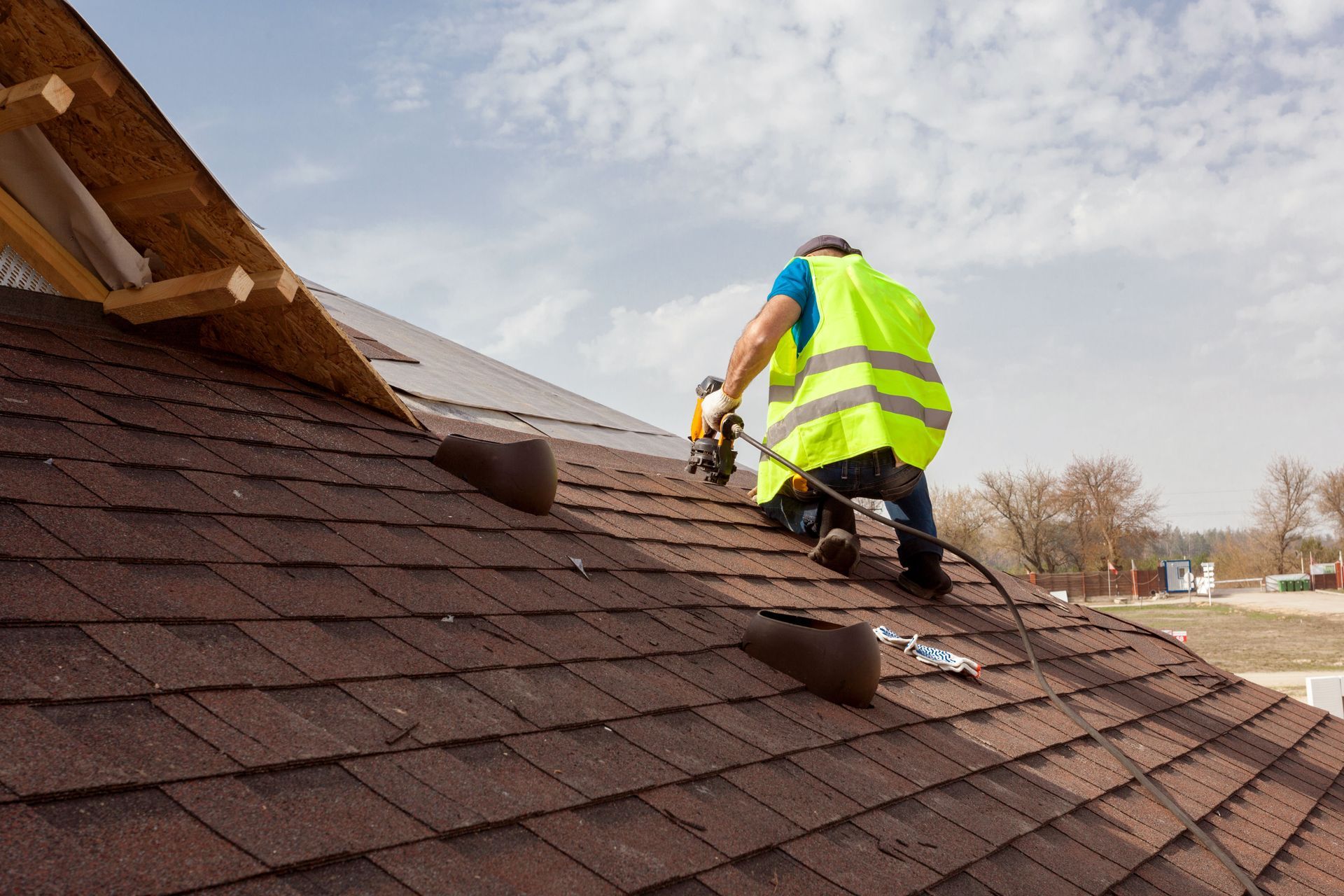
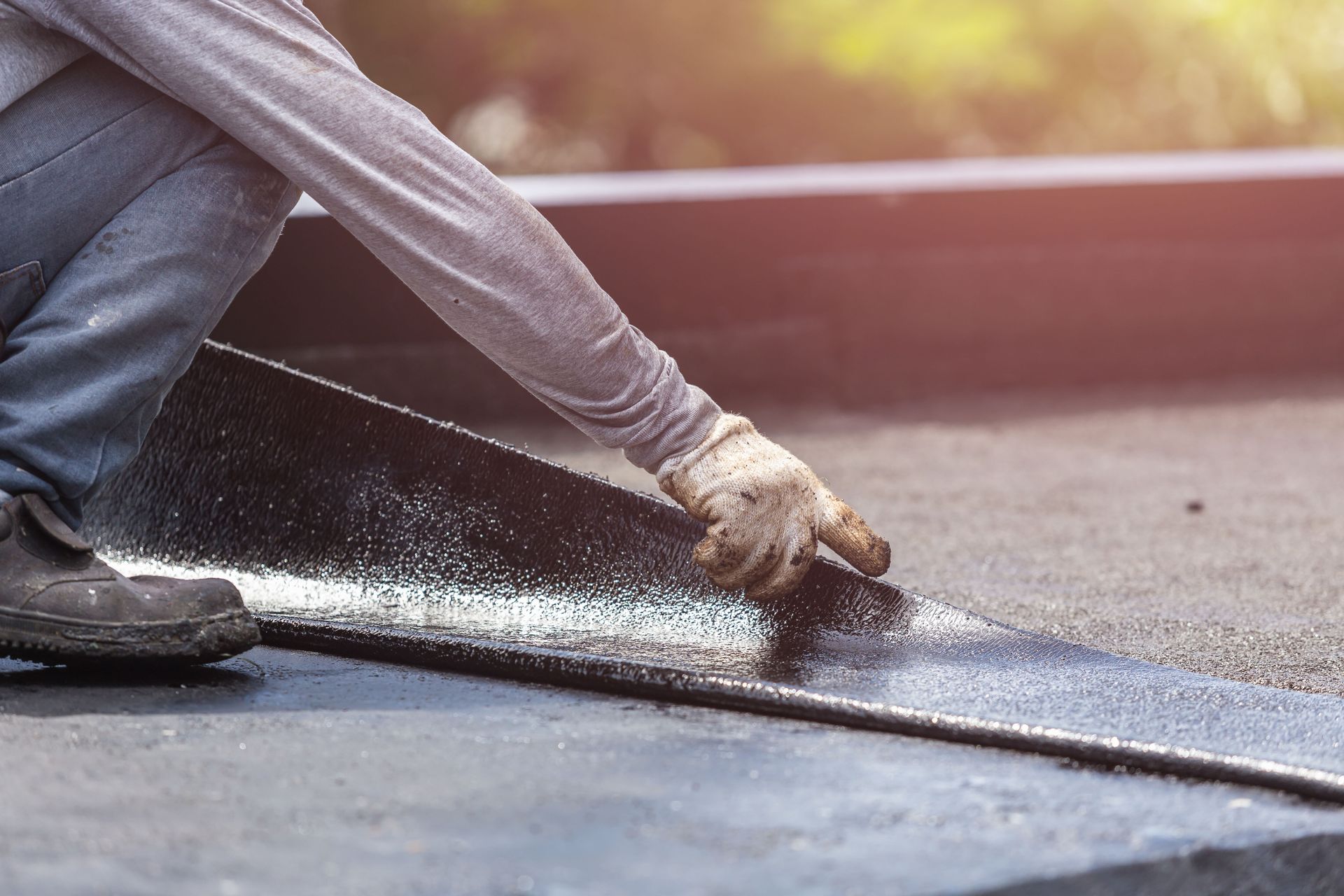
Precision craft skill and adherence to manufacturer installation guidelines dictate the long-term weather resistance and durability of new surface applications. Experienced installation technicians apply waterproof underlayment membranes, metal drip edges, ridge vents, and chimney flashing assemblies according to exact engineering specifications. Competent roofers utilize specialized tools and proper fastening techniques to ensure that every individual shingle or panel resists high wind uplift and driven precipitation. Meticulous execution prevents premature material degradation and ensures that new installations perform reliably under severe climate conditions.
Mastery of advanced installation techniques ensures that attic ventilation components are integrated correctly to maintain balanced airflow and thermal regulation throughout the home. Proper airflow prevents excessive heat buildup during warm seasons while mitigating destructive ice dam formation along eaves during colder climate cycles. Expertly installed structural systems optimize overall household energy management by reducing heating and cooling demands across all seasons of the year. High-quality craftsmanship protects underlying structural elements while enhancing long-term indoor climate control and comfort.
Conducting Complete Post Installation Cleanups
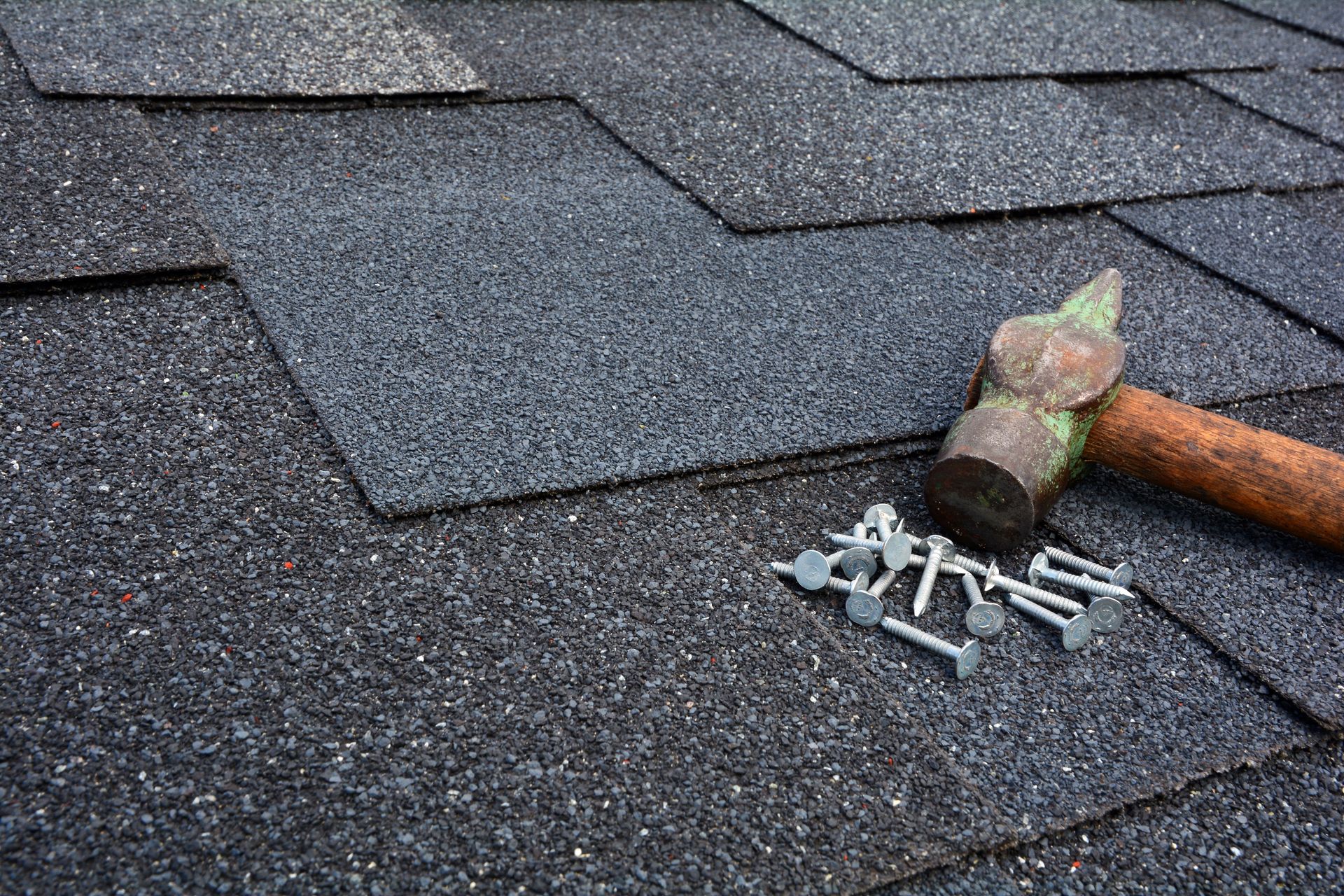
The final stage of a successful structural project involves a thorough property restoration process that leaves surrounding outdoor areas spotless, orderly, and safe. Responsible crews systematically collect discarded building materials, old shingles, packaging remnants, and stray fasteners from surrounding lawns, flower beds, and walkways. Attentive roofers utilize specialized magnetic sweepers to locate and retrieve metallic nails hidden deep within grass blades, mulch beds, or driveway crevices. Thorough magnetic sweeping prevents vehicle tire punctures and eliminates stepping hazards for residents, children, and domestic pets.
Upon completing ground cleanup operations, project leaders conduct a comprehensive final walkthrough with the property owner to review completed work and answer remaining questions. This final joint inspection verifies that all installation details meet rigorous quality standards and align fully with initial proposal agreements. Service providers present complete warranty documentation, maintenance guidelines, and care instructions to help clients protect their investment moving forward. A flawless cleanup and final inspection process leave property owners entirely satisfied with their upgraded overhead protection system.
Choosing qualified specialists for residential structural care ensures lasting weather resistance, enhanced curb appeal, reduced energy expenses, and complete peace of mind. Knowing what comprehensive services, safety measures, communication habits, and cleanups reputable contractors deliver enables property owners to manage major home improvements with absolute confidence. From thorough initial diagnostics and transparent estimates to final site restorations, working with dedicated professionals protects valuable real estate assets for decades to come. When you are ready to secure superior craftsmanship and dependable service for your residential structure, contact Horton's Roofing & Repair.