Maintaining a healthy roof is crucial to protecting the longevity, safety and comfort of your home. Recognizing the warning signs that call for professional roofing repairs can prevent minor issues from becoming expensive problems. From damaged shingles to rising energy bills, several signs may indicate that it is time to contact roofers for an inspection and repair plan.
1. Visible Shingle Damage
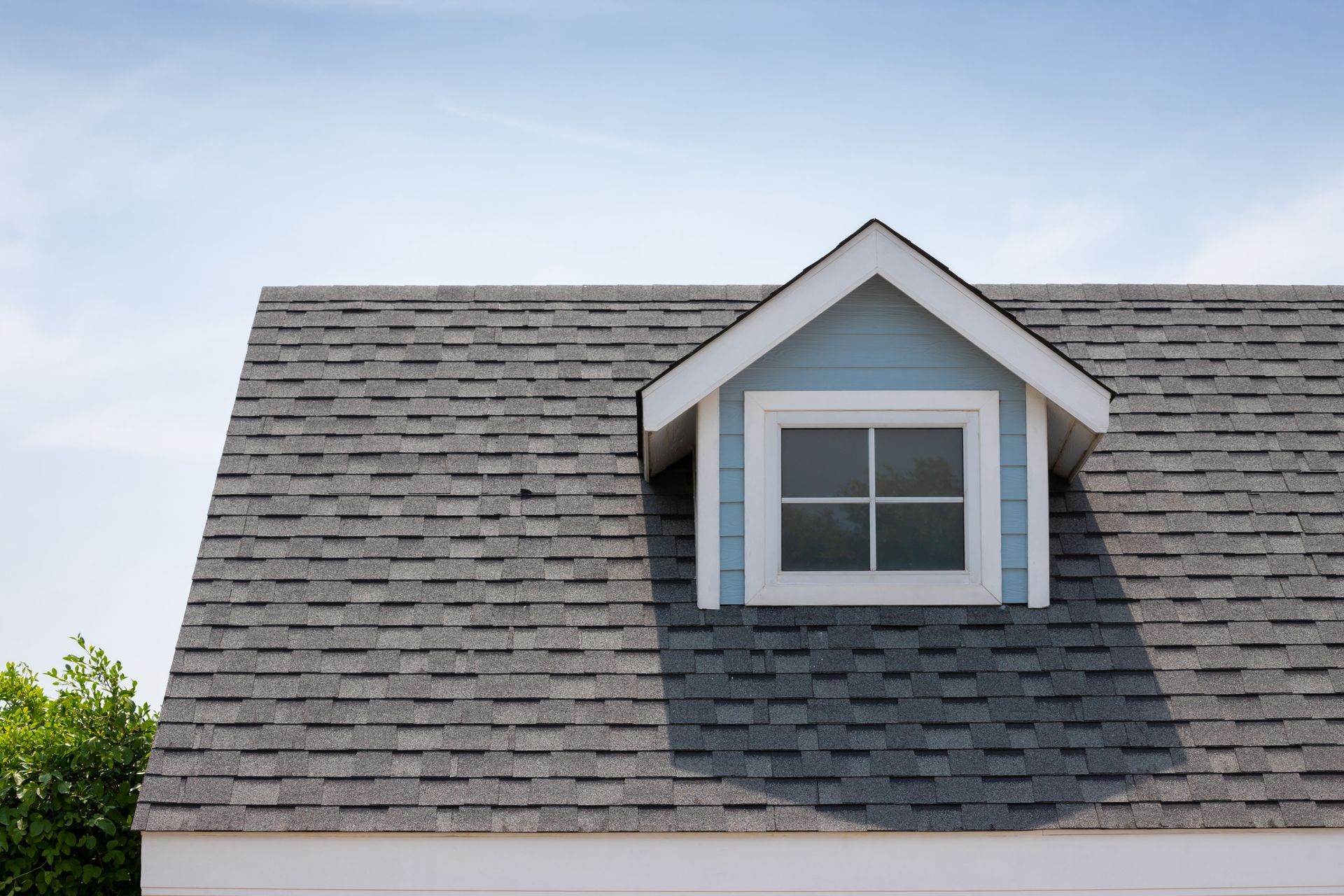
Visible shingle damage is one of the clearest signs that your roof needs attention. Missing shingles can expose the underlayment to rain, wind and sunlight, which may lead to moisture damage. Curling, buckling or cracked shingles can also mean the roofing materials are aging or have been weakened by weather. When shingles no longer lie flat, they cannot protect the roof as intended.
Granule loss is another important issue to watch for. These granules help protect shingles from ultraviolet rays and improve water resistance. If you notice large amounts of granules in your gutters or around downspouts, your shingles may be wearing down. Discoloration, patchy areas and uneven texture can also point to roof deterioration. Roofers can determine whether the damage requires a few repairs or a larger replacement plan.
In some cases, shingle damage can be repaired locally, especially when the roof is newer and the affected area is limited. According to Today’s Homeowner, roof repair is usually the better option when a roof is less than 15 years old and the damage is minor. Addressing these problems early can help prevent leaks, wood rot and structural concerns.
2. Roof Leaks And Water Stains
Roof leaks are serious warning signs that should not be ignored. Water stains on ceilings or walls often mean moisture is entering through the roof system. These stains may appear yellow, brown or gray and can be accompanied by bubbling paint, peeling wallpaper or soft drywall. Even a small stain may point to a larger issue hidden above the ceiling.
Mold and mildew growth can also develop when leaks are left unresolved. Moisture trapped in insulation, attic spaces or wall cavities creates the right conditions for mold to spread. This can affect indoor air quality and create health concerns for people living in the home. Roofing services can trace the source of the leak and recommend repairs before the damage spreads further.
Some roof leaks are not immediately visible inside the home. Attic moisture, damp insulation or musty odors may be early signs of water intrusion. Homeowners should inspect the attic after heavy rain when possible. Finding damp areas early can reduce repair costs and protect the home’s structure.
3. Flashing And Chimney Problems
Flashing protects vulnerable areas where the roof meets chimneys, walls, vents and skylights. When flashing is cracked, bent, loose or missing, water can enter through these seams. Weather, age and poor installation can all weaken flashing over time. Because these areas handle a large amount of runoff, even minor flashing damage can create serious leaks.
Chimneys can also contribute to roof problems. A separating chimney may create gaps where water can enter. Damaged chimney caps, cracked crowns or deteriorating masonry can allow moisture to reach nearby roofing materials. Once water gets into these spaces, it can weaken wood, insulation and interior finishes.
Leaks around the chimney base often indicate failing flashing or damaged masonry. Professional roofers can inspect these details and provide targeted repairs that protect both the chimney and roof. Routine maintenance is especially important because chimney-related leaks can remain hidden until interior damage appears.
4. Sagging Roof Deck
A sagging roof deck is a major concern that requires prompt attention. Sagging may appear as a dip, wave or uneven section in the roofline. This issue can be caused by prolonged water exposure, weakened support beams, poor ventilation, heavy snow loads or excessive layers of roofing material. Any visible sagging should be treated as a structural warning sign.
When water collects beneath damaged roofing materials, it can weaken the decking and support system. Over time, the added weight and moisture can cause the roof to bend. This affects the roof’s ability to shed water properly and can increase the risk of more extensive damage. Roofers can evaluate whether the sagging is localized or part of a larger structural issue.
Interior signs may include warped ceilings, attic movement or visible cracks near upper walls. These symptoms should not be ignored. Prompt inspection and repair can help stabilize the roof, protect the home and prevent a more expensive replacement.
5. Higher Energy Bills
Unexpected increases in energy bills can sometimes be linked to roofing problems. A damaged roof may allow heat to escape in winter and enter during summer. This forces heating and cooling systems to work harder, increasing monthly energy costs. Poor insulation, damaged ventilation and deteriorating roofing materials can all contribute to the problem.
Uneven temperatures throughout the home may also point to roofing issues. Rooms directly under the roof may feel hotter or colder than other areas. Poor ventilation can trap heat in the attic, while damaged materials may allow outside air to affect indoor comfort. Roofers can inspect ventilation, insulation and roof condition to identify possible causes.
Repairing roof damage can help restore energy efficiency and comfort. While energy bills can increase for many reasons, a roof inspection is worthwhile when changes happen suddenly or alongside other warning signs.
6. Roof Age And Material Wear
The age of your roof is an important factor when deciding whether repairs are needed. Different roofing materials have different lifespans, but asphalt shingles often last about 20 to 30 years with proper care. As a roof approaches the end of its expected service life, it may become more vulnerable to leaks, shingle loss and weather damage.
Age-related wear can appear as brittle shingles, worn flashing, faded surfaces or recurring small leaks. Even if the roof looks acceptable from the ground, older materials may no longer provide reliable protection. Regular inspections help homeowners understand whether repairs are enough or whether replacement planning should begin.
Professional roofers can compare the roof’s age, condition and repair history to recommend the most practical next step. Staying proactive allows homeowners to budget ahead and avoid emergency repairs after storms or sudden leaks.
7. Professional Repair Planning
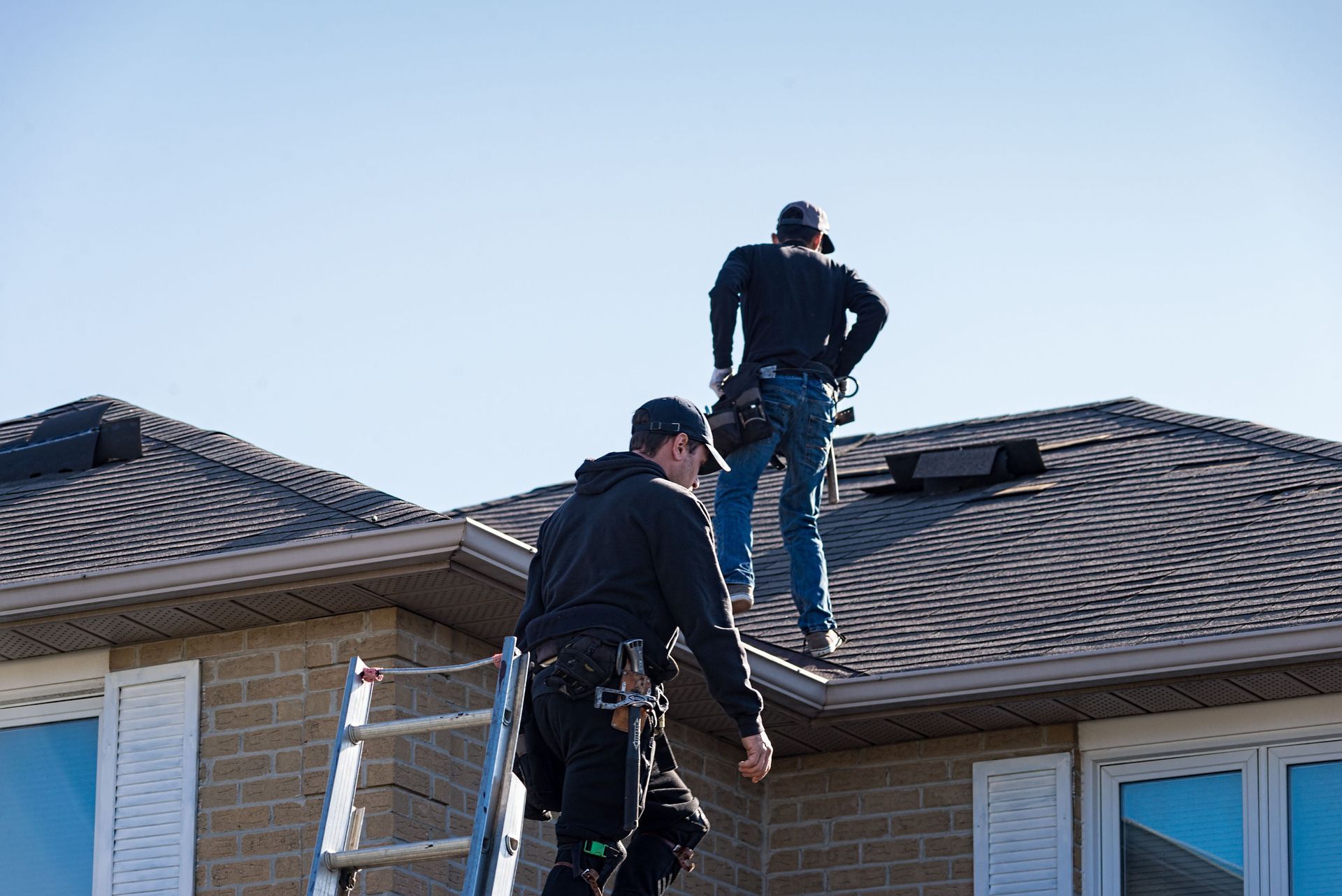
Roof repairs are most effective when they are handled before damage spreads. Small issues like missing shingles, loose flashing or minor leaks can grow quickly when exposed to repeated rain, wind and temperature changes. A professional inspection gives homeowners a clearer understanding of the roof’s current condition.
Documentation is also helpful. Taking photos of visible damage, noting when leaks appear and tracking repair history can support better decision-making. This information helps roofers identify patterns and recommend solutions that address the cause of the problem rather than only the visible damage.
Identifying the signs that your roof needs professional attention can help you avoid costly repairs and protect your home. Shingle damage, leaks, flashing problems, sagging areas, rising energy bills and roof age should all be taken seriously. By contacting roofers at the first sign of trouble, homeowners can preserve their roof’s performance, improve safety and maintain long-term property value. Scheduling regular roof inspections after severe weather can also help homeowners catch hidden damage before it leads to more extensive repairs. Contact our team at Horton's Roofing & Repair today and learn more about our roofing services.