November 25, 2026
Choosing the right commercial roofing company is crucial to ensure the longevity and integrity of your building. This article provides essential guidance to help you make an informed decision, avoid common pitfalls, and achieve a successful roofing project. By understanding the various factors involved in selecting a qualified and reputable roofing contractor, building owners can significantly reduce the risks associated with their roofing investments. The roof is one of the most critical components of a building's structure, offering protection from environmental elements and contributing to energy efficiency. Read on to learn how to select a partner that will deliver exceptional results without compromising quality, safety, or value.
Research Basic Qualifications and Credentials
Verify Licensing and Insurance
Ensuring that your prospective roofing contractor holds the proper licenses and insurance coverage is paramount in safeguarding your investment. Licensing confirms the company is recognized by the state and meets specific industry requirements. Insurance, on the other hand, protects you from potential liabilities should any accidents occur during the project. Companies operating without these credentials often disregard compliance and safety standards, posing risks to clients. Always request copies of these documents to verify their validity and protect yourself legally and financially.
Check Professional Certifications
Beyond licensing and insurance, look for certifications from reputable roofing associations as they indicate a company's adherence to industry best practices and ethical standards. Organizations like the National Roofing Contractors Association (NRCA) provide certifications that signal expertise and commitment to professional integrity. These credentials often require ongoing education, ensuring that the company remains up-to-date with the latest roofing technologies, materials, and safety protocols. Certified companies are more likely to deliver high-quality workmanship and are accountable to the accrediting bodies. In your search for a roofing contractor, prioritize those who have earned and maintained these important certifications.
Confirm Experience and Specialization
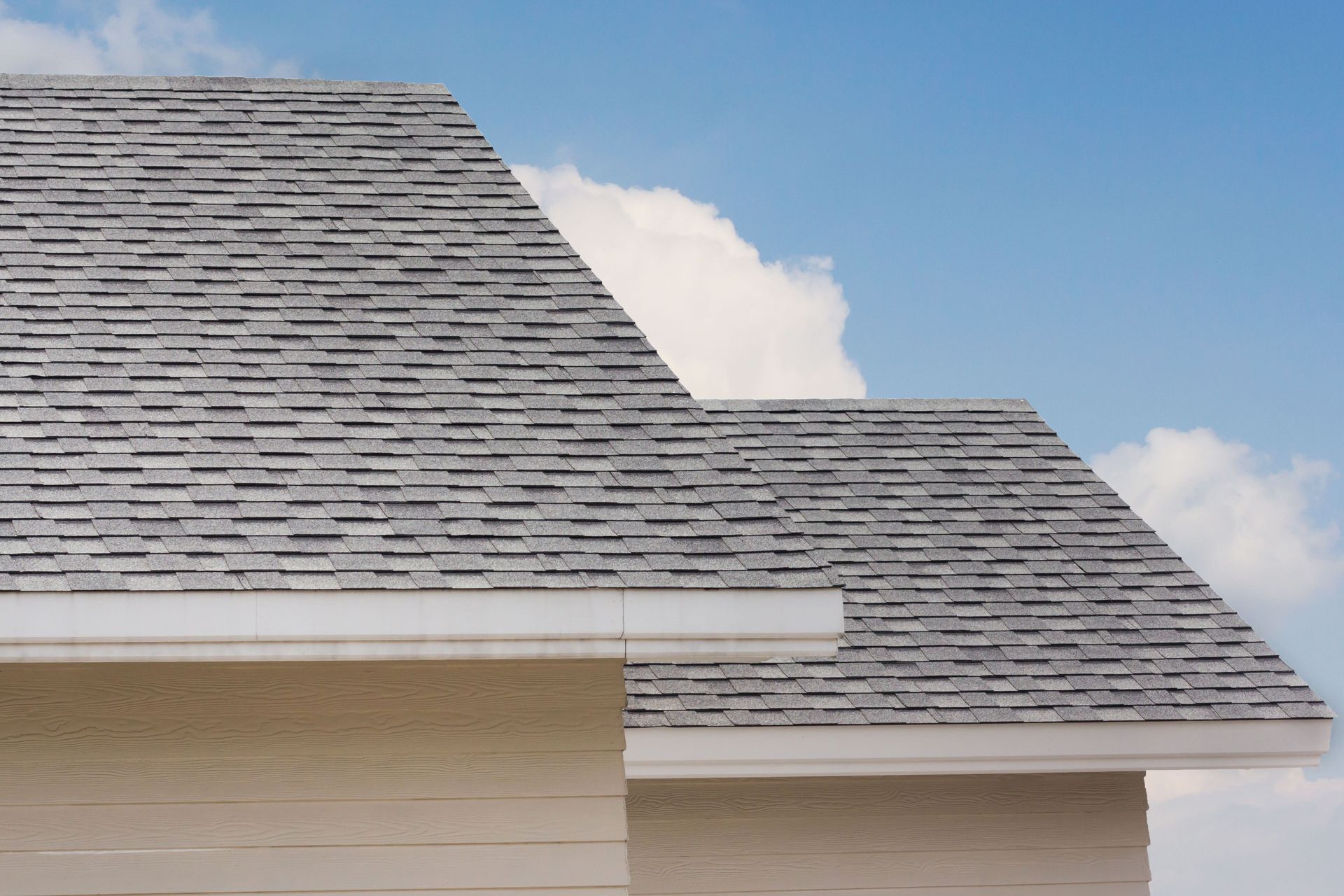
Evaluating a company's track record on projects similar to yours is crucial, especially if they specialize in commercial roofing. Experienced firms typically have a comprehensive understanding of diverse solutions and can navigate unforeseen complications more effectively. Particularly, as ZipDo highlights, approximately 75% of commercial roofs in the U.S. are constructed using asphalt shingles, signifying a preference that potential contractors should be familiar with. Additionally, flat roofs comprise about 85% of commercial buildings in urban areas, demanding a skill set that caters to such structures. Asking specific questions about previous projects can reveal the company's ability to handle the unique challenges that your project may present.
Investigate Company Stability
When choosing a commercial roofing company, assessing their financial and operational stability is critical to ensure they have the resources to complete your project efficiently. Companies that have been in operation for several years generally demonstrate consistent performance and accrued expertise. Financial stability also indicates a firm’s capacity to acquire quality materials and maintain a skilled workforce. A company in financial distress may cut corners or fail to honor warranties, leading to potential losses for the customer. Researching financial stability can be as simple as requesting recent financial statements or reviewing credit ratings.
Look for Safety Protocols
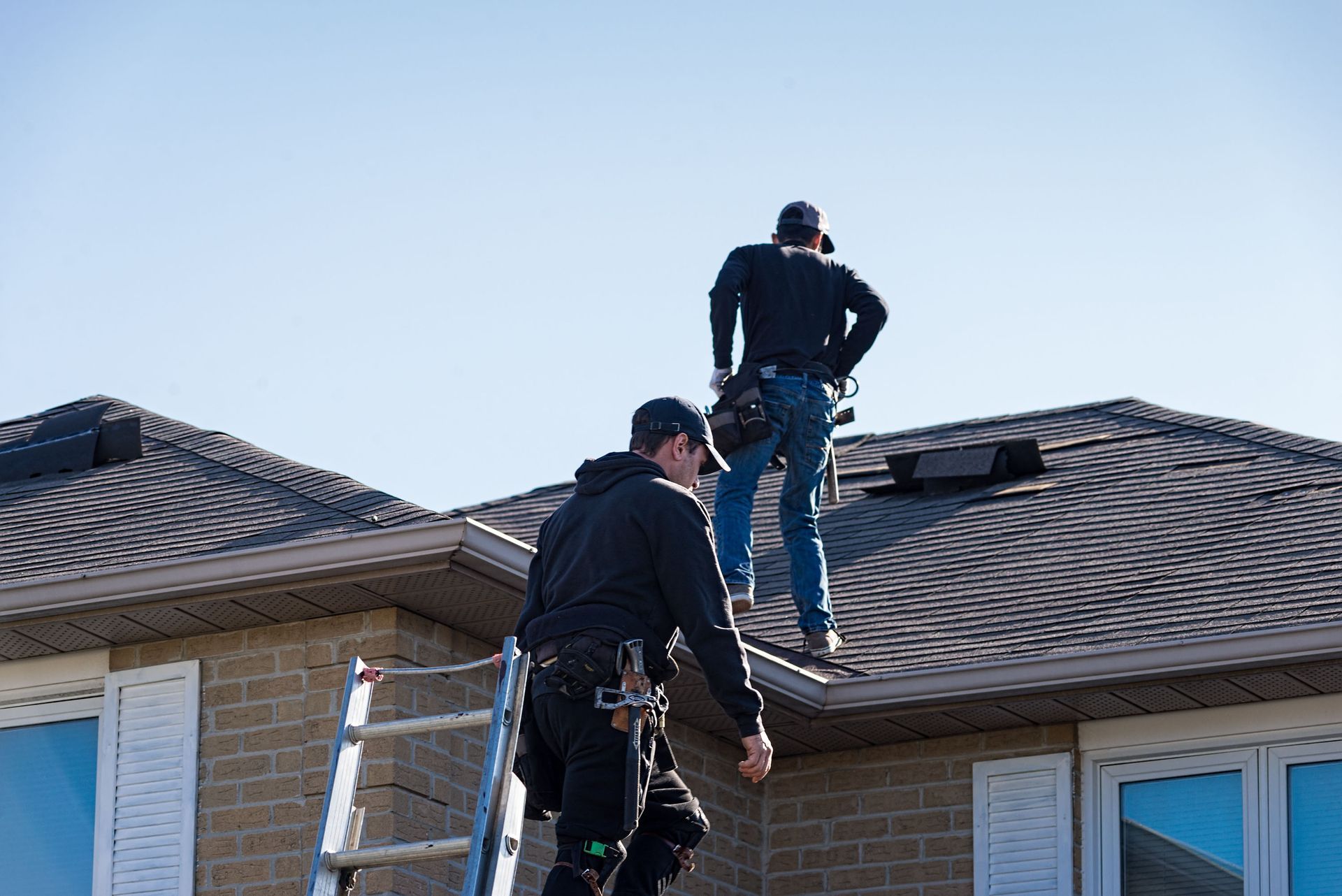
Safety should be a top priority for any reputable roofing company, given the inherent risks of working at heights and handling heavy materials. Compliance with Occupational Safety and Health Administration (OSHA) standards shows a company's commitment to maintaining a safe working environment for its employees and clients. Detailed safety procedures, regular employee training, and the use of proper safety equipment are telltale signs of a proactive approach to safety. Additionally, a strong safety record minimizes the risks of accidents, project delays, and insurance claims. Before hiring a roofing contractor, ask about their safety programs and review their safety documentation to ensure rigorous compliance.
Evaluate Reputation and References
Read Online Reviews
Reading online reviews provides valuable insights into a roofing company's reputation and the experiences of past clients. Platforms like Google, Yelp, and the Better Business Bureau offer unfiltered accounts of a company's performance, customer service, and job quality. While a few negative reviews are no cause for alarm, consistent patterns of complaints should raise a red flag. Pay attention to how the company responds to feedback, as professional responses can indicate a commitment to customer satisfaction. Comprehensive review analysis can guide you in making a more informed choice about which company to hire.
Request References
Requesting references from past clients is another effective way to assess the quality and reliability of a commercial roofing company. Direct conversations with previous customers allow you to glean insights into the company's punctuality, quality of work, and ability to address concerns. Be sure to ask about any post-project issues and how the company handled them. A reputable contractor should have no problem providing a list of satisfied clients willing to share their experiences. By speaking directly with references, you can gain assurance in the company’s competencies and ethics.
Study Case Studies
Many reliable roofing companies document their successful projects in the form of case studies, providing tangible evidence of their capabilities. These case studies often highlight challenges, solutions, timelines, and outcomes that can help you evaluate a company's problem-solving skills and adaptability. They also reveal the range of projects the company has handled, offering insights into their experience with various roofing systems and materials. As you analyze case studies, consider how the company’s expertise aligns with the specific needs and complexities of your roofing project. Well-documented case studies underscore a company’s transparency and readiness to showcase its achievements.
Assess Word-of-Mouth Recommendations
Word-of-mouth referrals remain a potent tool for evaluating a roofing company's reputation and reliability. Consulting with industry peers, colleagues, or friends who have successfully undertaken similar projects can provide firsthand accounts of their experiences. The personal nature of such recommendations often leads to candid insights about the company's work ethics, craftsmanship, and customer relations. Since these recommendations are based on real-life experiences, they carry an authenticity that online reviews may lack. Leveraging word-of-mouth referrals can help you identify trustworthy contractors known for delivering excellent results.
Check for Awards and Recognitions
Industry awards and recognitions serve as additional indicators of a roofing company's professionalism, innovation, and quality of work. Prestigious accolades from respected organizations signify that the company has demonstrated exceptional standards and exceeded industry benchmarks. Awards can also showcase a company's commitment to excellence in various categories like safety, innovation, and sustainability. Acknowledgments by industry peers highlight the firm’s positive standing and respect within the roofing community. When selecting a contractor, prioritize those who have earned distinguished awards, as it reflects their dedication to maintaining high standards.
Understand the Roofing Process
Discuss Project Timeline
A clearly defined project timeline helps manage expectations and ensures that the roofing process proceeds smoothly. Discussing the timeline in advance allows both parties to align their schedules and addresses any potential delays or logistical challenges. Establish key milestones and contingencies for unforeseen circumstances like inclement weather or supply chain disruptions. With a detailed timeline, you can better coordinate with other contractors and plan around your organization's requirements to minimize disruption. Timely communication and adherence to agreed schedules significantly enhance project efficiency and client satisfaction.
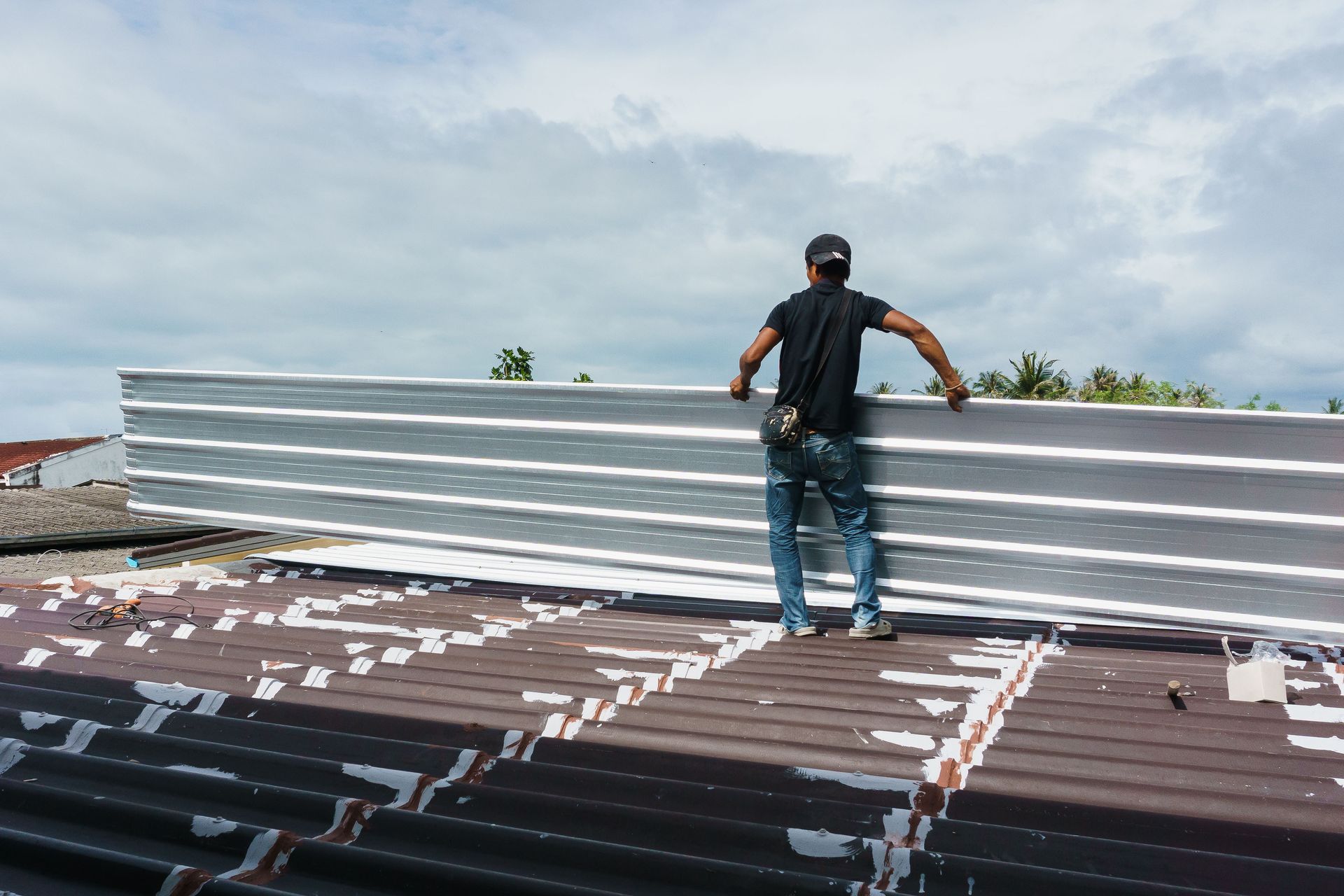
Before signing a contract, review the types of materials and techniques that the roofing company plans to use. Discuss how these materials meet performance standards, longevity, and energy efficiency expectations. According to ZipDo, asphalt shingles are used in approximately 75% of commercial roofs in the U.S., with flat roofs being prevalent in urban areas due to space efficiency. Understanding the technical details and advantages of the chosen materials helps ensure they align with your quality standards and project goals. Confirm that the techniques employed follow the latest industry innovations and best practices for optimal results. Be sure to reach out to Horton's Roofing & Repair today to learn more about our professional commercial roofing company!