November 24, 2026
Hiring a contractor to repair or replace your roof is one of the most significant investments you will make in your home. While many skilled professionals operate with integrity, overlooking early warning signs can lead to shoddy workmanship, voided warranties, and costly water damage. Knowing what to watch for before signing a contract protects both your property and your wallet. By recognizing these critical red flags when evaluating a local roofing company, you can make a confident, informed choice that ensures lasting protection for your home.
Verifying Proper Licensing and Insurance
Recognizing the Risks of Unlicensed Contractors
A valid state or municipal license proves that a contractor meets basic technical competency standards and complies with local building codes. Hiring an unlicensed local roofing company exposes you to subpar installation practices, failed municipal inspections, and severe legal liability if structural defects emerge later. Always request a contractor's license number upfront and verify its active status through your state licensing board.
Confirming Comprehensive Insurance Coverage
Any reputable local roofing company must carry both general liability insurance and workers' compensation coverage. General liability protects your home if accidental damage occurs during tear-off or installation, while workers' compensation shields you from financial responsibility if a crew member is injured on your property. Ask for certificates of insurance directly from the insurer rather than accepting verbal assurances.
Avoiding Insurance Claim Complications
Homeowners insurance carriers frequently deny future storm-damage claims if previous roof work was performed by an unverified or uninsured contractor. Ensuring your chosen local roofing company maintains full legal credentials safeguards your policy coverage and prevents minor repair needs from turning into major financial liabilities.
Evaluating Online Reviews and Reputation
Analyzing Patterns in Negative Feedback
Every business occasionally encounters a difficult client, but recurring complaints across review platforms reveal systemic operational flaws. Look closely at patterns involving missed deadlines, unreturned phone calls, surprise invoice charges, or lingering leaks. Paying attention to recent feedback helps you gauge whether a local roofing company consistently delivers reliable results or struggles with project management.
Questioning Sparse or Missing Review Histories
A contractor with almost no online footprint may be a brand-new operation lacking proven field experience, or an established business that repeatedly changes its name to escape bad press. Cross-checking ratings on the Better Business Bureau, Google, and local community forums provides a clearer picture of a contractor's track record.
Assessing Responses to Customer Complaints
How a business handles criticism says a great deal about its accountability. Look for contractors who respond politely, take ownership of mistakes, and explain how issues were resolved—while steering clear of companies that argue aggressively with former clients or ignore complaints entirely.
Identifying Poor Communication Practices
Spotting Unresponsive Contractors Early
Communication during the estimation phase sets the tone for the entire project. If a local roofing company takes days to return initial calls, misses scheduled inspection appointments, or gives vague answers to direct questions, expect even worse responsiveness once work begins and your deposit has been paid.
Demanding Clear and Itemized Estimates
A trustworthy estimate breaks down costs clearly across tear-off labor, underlayment, flashing, shingles or panels, ventilation upgrades, and debris disposal. Lump-sum quotes with zero itemized details make it easy for unscrupulous contractors to cut corners on hidden components or demand unexpected change orders mid-project.
Securing Detailed Written Contracts
Never rely on handshake deals or verbal promises regarding timelines, cleanup standards, or material brands. Insist on a comprehensive written contract specifying exact product lines, start and completion dates, payment milestones, and property protection measures before authorizing any work.
Spotting Low-Ball Bids and High-Pressure Tactics
Avoiding Deceptively Low Estimates
An estimate drastically lower than competing bids is rarely a bargain. Ultra-low prices typically mean a local roofing company plans to use inferior materials, skip critical steps like replacing rusted flashing, hire uninsured day labor, or hit you with inflated add-on charges once your old roof is stripped away.
Rejecting High-Pressure Sales Pitches
Be wary of salespeople who claim a discounted price is only valid if you sign on the spot, or who pressure you into signing an insurance contingency agreement before you have time to compare quotes. Ethical professionals give homeowners space to review proposals carefully without artificial urgency.
Balancing Material Cost and Long-Term Quality
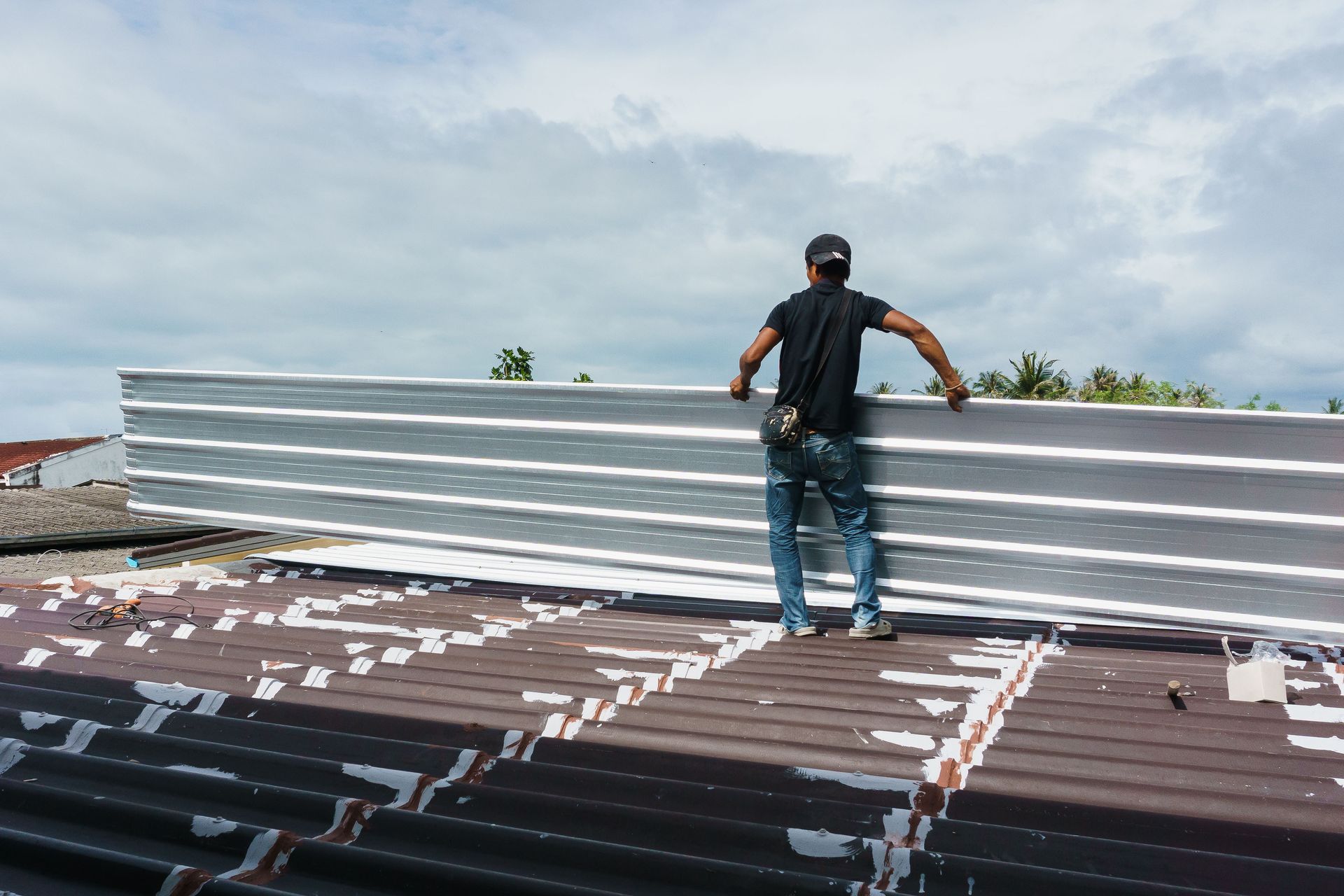
Comparing material durability alongside upfront cost helps you spot contractors pushing cheap, short-lived products. According to This Old House, metal roofing is the second-most popular material for both residential and commercial roofs, and often carries a premium price due to its durability and energy efficiency. A knowledgeable local roofing company will explain the lifespan and performance trade-offs of asphalt shingles, metal panels, and synthetic options honestly rather than steering you toward whatever yields the highest commission.
Guarding Against Post-Storm Door-to-Door Scams
Severe hail or wind events frequently attract out-of-town "storm chasers" who canvass neighborhoods offering free inspections and immediate repairs. These transient crews often collect large upfront deposits, perform rushed work, and vanish before leaks appear—leaving homeowners stranded without local warranty support.
Checking Local Experience and References
Confirming an Established Community Presence
Partnering with a local roofing company that maintains a physical office, local phone number, and long-standing supplier relationships ensures accountability long after the final nail is driven. Established local contractors understand municipal permitting rules, neighborhood HOA guidelines, and regional building codes.
Selecting Materials Suited to Local Weather
Regional weather extremes—from heavy snow loads and freeze-thaw cycles to high winds and intense UV exposure—demand specific installation techniques and underlayments. For example, areas susceptible to extreme weather require specific materials like metal roofing, which is resistant to harsh conditions according to This Old House. Choosing a local roofing company familiar with your area's climate ensures your roof is built to withstand seasonal stresses.
Contacting Recent Local References
Ask prospective contractors for contact information from three or four homeowners whose roofs were completed within the past year, as well as a few projects from five or more years ago. Speaking directly with past customers confirms whether the crew protected landscaping, cleaned up stray nails, and stood behind their workmanship over time.
Reviewing Warranties and Workmanship Guarantees
Distinguishing Manufacturer and Workmanship Warranties
Most roofing projects involve two separate warranties: the manufacturer's warranty covering defective shingles or panels, and the contractor's workmanship warranty covering installation errors. Even the best roofing materials can fail prematurely if improperly nailed or flashed, making a strong workmanship guarantee from your local roofing company essential.
Watching for Unsafe Payment Demands
Refusing Large Upfront Cash Deposits
Reputable contractors maintain healthy supplier credit lines and never need half or more of the total project cost before delivering materials to your driveway. Paying a large upfront sum leaves homeowners vulnerable if a contractor abandons the job or delays work indefinitely. A reasonable deposit typically covers initial material orders—around 10% to 30% of the contract—with subsequent payments tied to verified milestones.
Rejecting Cash-Only Discounts and Early Final Payments
Be cautious of contractors who insist on untraceable cash payments or demand final payment before passing municipal inspections and completing a final walkthrough. Paying by check or credit card creates a clear financial record, and withholding the final balance until debris is cleared and all punch-list items are resolved ensures your roof is finished properly.
Protecting your home starts with choosing a contractor who values transparency, craftsmanship, and accountability. By watching closely for red flags—such as missing insurance credentials, vague estimates, high-pressure sales pitches, and weak warranties—you can quickly filter out unreliable operators. Taking the time to verify references, compare itemized bids, and partner with an established local roofing company ensures your roof replacement runs smoothly and shields your property for decades to come. Call Horton's Roofing & Repair today for more.